St Mary’s Lighthouse History
The Opening of the Lighthouse
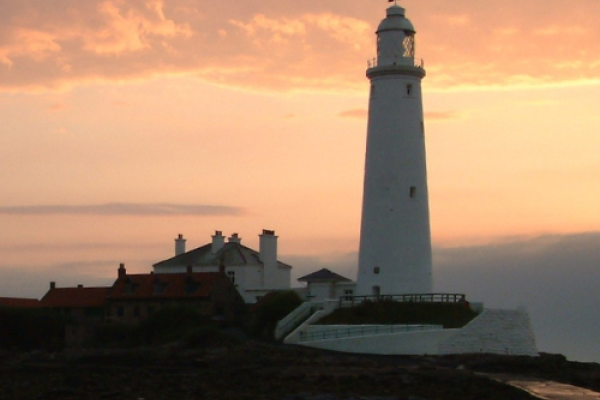
St Mary’s Lighthouse was first lit on 31 August 1898. The ceremony was carried out by Miss Miller and Miss Watson, the daughter and niece of the lighthouse’s builder, J. L. Miller. Dignitaries from Trinity House and government officials travelled to the island on the Trinity House yacht Irene to witness the first lighting before celebrating in the island cottage.
Why a Lighthouse Was Needed
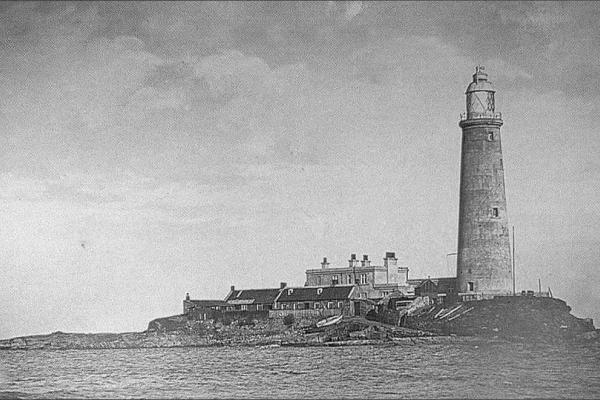
By the late 1800s, the old Tynemouth light was often hidden by smoke from industry along the Tyne. Many ships had run aground in the area, and the coast north and south of the Tyne was treacherous. Building new lighthouses at St Mary’s Island and Souter ensured safer navigation for ships travelling to the Tyne and the growing port of Blyth.
Shipwrecks Near the Island
The coast around St Mary’s had seen many wrecks before the lighthouse was built.
- In 1861, the Lovely Nelly went aground during a blizzard; Cullercoats women famously hauled a lifeboat over the headland to rescue the crew.
- In 1891, the Gothenburg City hit rocks in fog. Although no lives were lost, the ship could not be saved and cattle were ferried ashore.
- In 1913, the Russian barque California was wrecked in a sudden storm. Eight sailors died, and the captain and surviving crew were cared for on the island. Parts of the wreck remain visible at low tide.
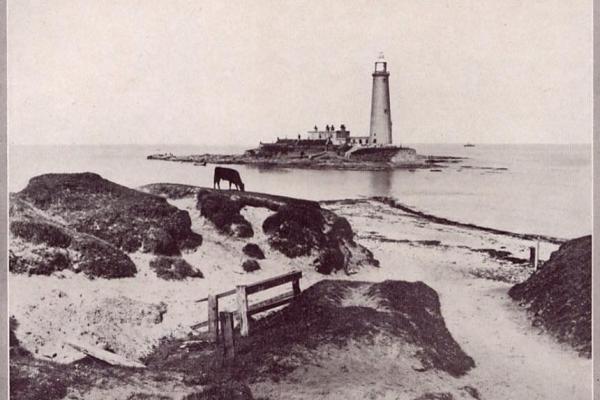
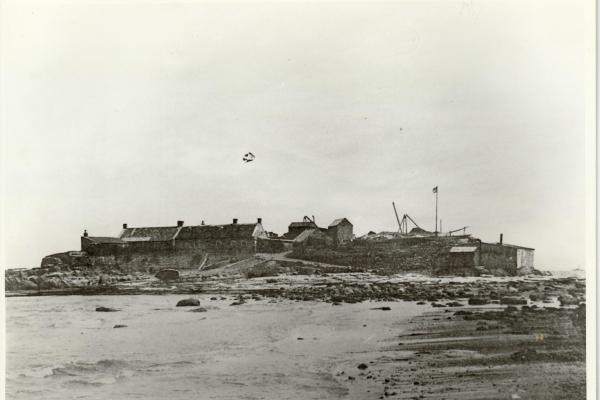
The Island Before the Lighthouse
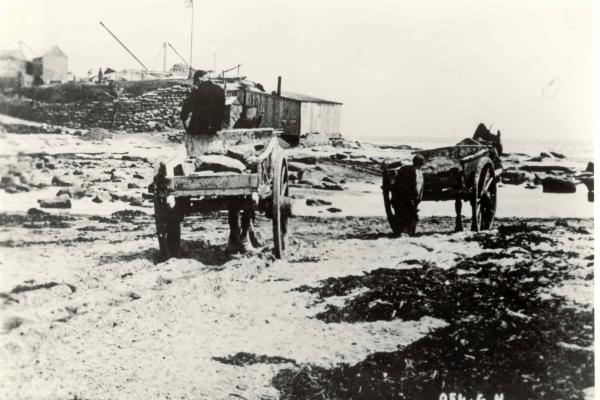
People have lived and worshipped on the island for centuries. A medieval chapel stood here from around the 11th century, with a small light maintained for religious purposes. The island was later known as Bates Island in the Elizabethan period and was used for fishing, salt-making, and occasionally smuggling. In the 1700s and 1800s, the island saw colourful local history — from smuggling stories to the nearby hanging of Michael Curry at what is now Curry’s Point.
Life Before the Lighthouse
In 1855, fisherman George Ewen built a cottage on the island, later turning it into a small inn. Disputes with local landowners eventually led to the family’s eviction in 1895, shortly before Trinity House surveyed the island for the new lighthouse.
Building the Lighthouse
Construction began in 1896, designed by Sir Thomas Matthews and built by J. L. Miller of Tynemouth. The lighthouse cost £8,000 and was completed in 1898. Keeper’s cottages and a covered walkway followed soon after.
How the Lighthouse Worked
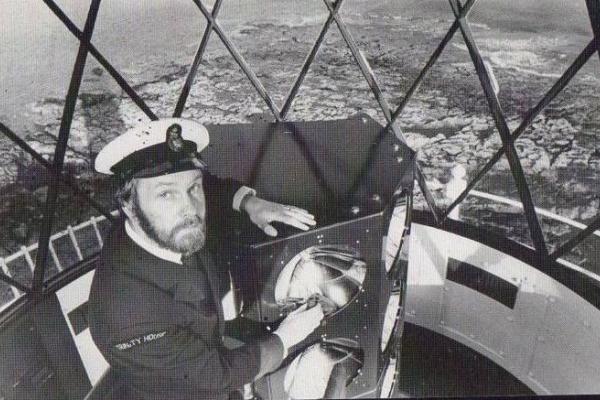
Until 1977, the lamp ran on paraffin (kerosene), using a Fresnel lens system that focused the light so it could be seen up to 17 miles away.
- The light flashed twice every 20 seconds.
- Keepers pumped air and fuel by hand, cleaned and maintained the lamp daily, and regularly checked the weather.
- In 1977 the lighthouse was converted to electricity; in 1979 it was fully automated, ending the era of resident keepers.
The small building now used as a bird hide was originally a degaussing station used to demagnetise ships after the Second World War.
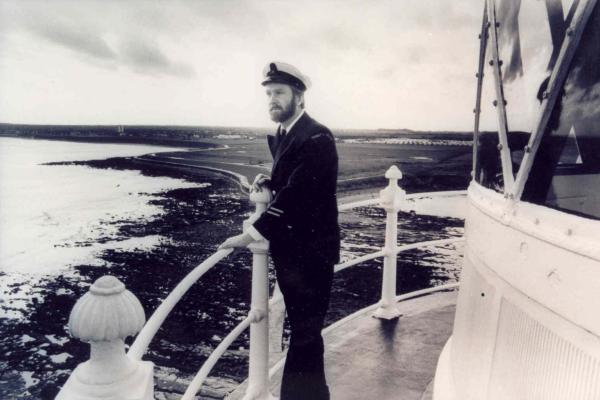
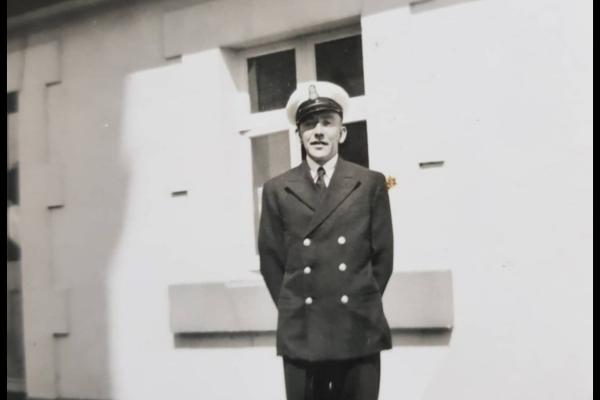
Life for Lighthouse Keepers
Keepers needed discipline, steady nerves, and a tolerance for isolation. Training took place at Harwich, and many keepers moved frequently.
At St Mary’s, however, keepers lived with their families on the island, and children attended local schools. Although close to shore, life was still basic:
- rainwater collection for drinking until 1948
- coal fires for heating and cooking
- no electricity until 1957
- outdoor toilets until the 1950s
Despite the challenges, island life created many strong family stories, including weddings, births, and well‑known island children.
Closure of the Lighthouse
The lighthouse operated for 86 years. With advances in radar and modern navigation, it was no longer essential. The light was extinguished on 30 November 1984, and Trinity House prepared to sell the buildings.

Saving St Mary’s Lighthouse
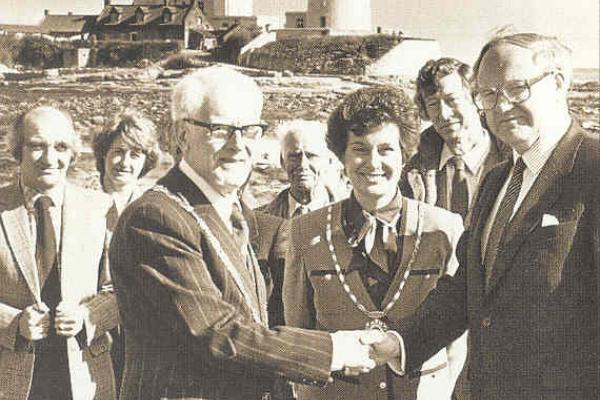
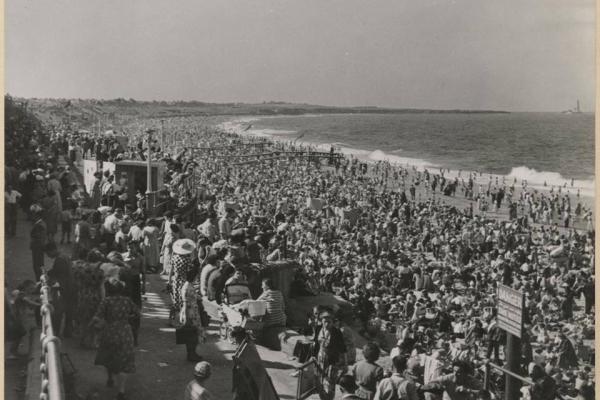
Local people strongly opposed the island being sold into private hands. A community campaign — famously supported— raised funds so North Tyneside Council could buy the lighthouse for public use.
In 1987–88, the cottages were converted into a visitor centre. A smaller optic donated by Trinity House was installed, and the tower opened to the public.
St Mary’s Lighthouse Today
Visitors can climb the 137 steps for views stretching from North Yorkshire to the Cheviots.
The keeper’s cottages now host:
- exhibitions on history and wildlife
- an education space
- a small shop
- a Local Nature Reserve, home to diverse birds and marine life