

Structures Fund template
This template is for local authorities proposing schemes for investment from the Structures Fund. Before completing the template, local authorities should read the Structures Fund guidance and associated documents. Alongside the template, local authorities must also complete the economic toolkit for the proposed scheme.
Part 1 – Details of the Structure Being Promoted
1.1 Scheme Information
This section captures the key information on the scheme that is being proposed to the Structures Fund.
a) Local highway authority (LHA) name: North Tyneside Council
b) Scheme / structure name and LHA bridges number: 331.00 Willington Square
c) Location (OS Grid Reference) of the scheme/structure (to identify location on map):
Easting: 431586
Northing: 568168
d) Name of Project Manager: Mark Newlands
e) Email address: mark.newlands@northtyneside.gov.uk
f) Phone number: 0191 643 6129
g) What type of eligible structure would your scheme address? (select all that apply)
| ☒ | Bridges | ☐ | Cutting/embankment |
| ☐ | Fly-overs | ☐ | Tunnels |
| ☐ | Retaining walls | ☐ | Local highway repairs due to landslip |
| ☐ | Culverts | ☐ | Local highway repairs due to collapse |
| ☐ | Other structure type (please specify): Click or tap here to enter text. | ||
h) Provide an overview of the structure proposed for intervention and the nature of the problem. (Maximum 250 words)
This could include, for example, the age, construction type, feature carried and feature crossed of the relevant structure and if the structure has listed heritage status.
Willington Square is a six-span concrete highway bridge carrying the A1058 Coast Road over Willington Square Junction. The structure was constructed circa 1968, is approximately 82m long and 34.53m wide between parapets and comprises two parallel decks carrying eastbound traffic on the northern structure and westbound traffic on the southern structure. Each deck is formed from precast prestressed inverted tee beams acting compositely with in-situ reinforced concrete, supported on reinforced concrete piers and abutments. The bridge currently carries four lanes of traffic on the borough’s most important east-west corridors and accommodates approximately 50,000 vehicles per day. The most recent (March 2021) Principal Inspection (see Appendix A) concluded that the bridge is in very poor condition, with a BCIcrit score of 22, and identified extensive and increasing spalling, cracking, exposed reinforcement and delamination throughout the piers and crossheads, including within previous repair areas. Additional defects recorded included deterioration to edge beams and soffits, widespread leachate and corrosion staining, defective drainage components and substandard parapets. The Principal Inspection noted that the condition of the bridge had deteriorated significantly since 2014. There was evidence that historic repairs (undertaken circa 2000) were failing. If these issues are left unaddressed, deterioration will continue at an increasing rate and there is a risk of restrictions being applied to the structure, which will cause significant economic impacts, community severance and significantly increased refurbishment costs. Refurbishment is currently unaffordable to North Tyneside Council, as the structure has deteriorated at a much faster rate than anticipated.
i) Provide an overview of the proposed intervention and how the works will address the problem.
This should set out the method of resolving the issue that is to be addressed.
The proposed scheme is a comprehensive structural rehabilitation and risk-reduction project for Willington Square. The current preferred scope includes: temporary propping at the piers to facilitate repairs; extensive concrete repairs, including installation of cathodic protection, to piers and other defective concrete elements; upgrade and improvement of the drainage system; replacement of bridge joints; renewal of deck waterproofing; and upgrade/replacement of the existing substandard VRS and parapets. The intervention is intended to arrest ongoing deterioration, remove unsound concrete, treat and protect corroding reinforcement, restore cover and durability, address water ingress and defective drainage that are contributing to deterioration, and upgrade the containment/safety provision of the VRS and parapets, to current standards. The scheme is expected to improve the assessed load rating, extend the service life of the structure, reduce future reliance on reactive maintenance and lower the risk of restrictions, emergency works or unplanned disruption on the A1058 corridor. Replacement of the VRS and parapets is required to provide appropriate vehicle containment and support the continued use of the bridge by all permitted traffic, and notably HGVs. The existing VRS and parapets are substandard and high risk, requiring regular inspection and maintenance. The most recent assessment (undertaken 2010) rated the cantilever and central reserve slabs at 7.5 tonnes, making these elements at risk of accidental HGV loading. Replacement of the VRS and parapets will reduce current safety and operational risk, help avoid the risk of traffic restrictions, and remove the need for the current enhanced VRS and parapet monitoring regime.
The do-minimum scenario assumes a progressive deterioration pathway, with HGV-related restrictions being required from around 2030 due to substandard containment and deteriorating edge/cantilever elements, followed by increasing intervention, monitoring and temporary measures, before eventual full vehicular closure by 2050 if major rehabilitation remains unaffordable. This assumption is used consistently throughout the economic toolkit and reflects current engineering judgement based on inspection trends.
j) Is any part of the relevant structure owned by a third-party (e.g. the Canal and River Trust or Network Rail)?
No
k) If the structure is on a diversion route for the SRN provide a clear description/commentary.
The structure is not directly on an SRN diversion route, however it is adjacent to (within half a mile of) the diversion route on the same section of road (A1058 Coast Road). Any restrictions or impacts to the bridge will therefore cause congestion which impacts the diversion route, particularly at peak times.
1.2 Understanding the Condition of the Structure
Please set out the current condition of the structure in this section.
- Provide evidence that the relevant structure is in need of repair either now or by the end of the 2029/30 financial year. (Maximum 250 words)
Provide details of the process used for determining whether this structure is in need of repair and the timescale in which the repair is needed..
The most recent Principal Inspection in 2021 (see Appendix A) provides clear evidence that Willington Square is in need of major repair. The report concludes that the bridge is in very poor condition (BCIcrit = 22) and states that the spalling and delamination present during this Principal Inspection had increased significantly in size and scale since the previous Principal Inspection in 2014. There was evidence that historic repairs throughout the piers were now failing. Defects are widespread across the structure and include significant delamination, spalling and cracking to piers and crossheads, exposed reinforcement, deterioration of edge beams, parapet corrosion and persistent drainage failures. This evidence, together with findings from more recent General and Special Inspections, expressly identifies an urgent need to undertake a complete and comprehensive renewal of the drainage system, waterproofing and joints and also to repair all defects found to the concrete, noting that poor drainage maintenance has likely contributed to the overall deterioration of the structure. The need is therefore current rather than speculative, and without intervention the documented trend of worsening defects indicates that structural condition and operational risk will continue to deteriorate through the fund window.
The assessed load capacity of the bridge is currently substandard, at 7.5 tonnes. The scheme will also address this issue by providing adequate containment to the elements at risk of overloading (cantilever and central reserve slabs).
- Please indicate if the relevant structure is currently subject to traffic restriction as a result of its condition.
Reference should be made to closures, weight limits, width restriction, limits on use.
The structure is not currently subject to formal traffic restrictions to the running lanes, however VRS is present to the cantilever slabs and central reserve. The current assessed capacity of the bridge is 7.5 tonnes, governed by the central reserve and cantilever slabs. The current VRS and parapets do not provide adequate containment for 40 tonne vehicles. Additionally, the most recent assessment (undertaken in 2010) concluded the capacity of the carriageway to be 40 tonnes, however the condition of the bridge has deteriorated significantly since. The bridge is also on the abnormal load route, however no assessment has been undertaken to determine its HB/STGO/abnormal load rating.
- Please indicate if the relevant structure is not currently but by the end of the 2029/2030 Financial Year is expected to be subject to traffic restriction as a result of its condition.
Reference should be made to closures, weight limits, width restriction, limits on use that are anticipated.
Yes, it is the authority’s current engineering view that, should the scheme not proceed, weight restrictions would be required within 4 years. The weight restrictions would initially apply to HGVs only, and be required due to the substandard parapets and edge protection, which do not currently provide adequate containment.
Should this scheme not proceed, the bridge will continue to deteriorate at an increasing rate, causing more costly interventions (e.g. temporary propping to the piers) and further restrictions to traffic.
- If the answer to c) above is yes, then please estimate the likelihood of this occurring: (select box that applies):
☐ Low confidence in restriction occurring
☐ Medium confidence in restriction occurring
☒ High confidence in restriction occurring
- Please indicate if the relevant structure is currently subject to other temporary measures to manage risk.
Reference should be made to measures such as propping, etc.
No, the structure is not currently subject to other temporary measures.
- Please indicate if the relevant structure is not currently but expected by the end of the 2029/2030 Financial Year to be subject to temporary measures to manage risk.
Reference should be made to measures such as propping, etc. that is anticipated.
It is anticipated that temporary measures may be required by the end of the 2029/2030 financial year. Expected deterioration means that further costly interventions and temporary measures are also very likely to be required shortly after the 2029/30 financial year.
- If the answer to f) above is yes, then estimate the likelihood of this occurring:
☐ Low confidence in temporary measures being required
☒ Medium confidence in temporary measures being required
☐ High confidence in temporary measures being required
- If available and applicable, what is the current Bridge Condition Indicator score (average and critical) of the relevant structure?
BCI Crit: 22.1
BCI Ave: 75.7
- Which elements of the structure are negatively contributing to the BCI scores and how has this changed in the last 5 years.
Reference should be made to recent inspections and highlight the type and extent of the defects.
The deterioration between recent inspections has been concentrated to a relatively small number of key elements. The most significant adverse change has occurred to the piers and columns, which have become the principal structural concern, caused by continued progression of delamination, cracking, spalling, and deterioration of historic repair areas, most likely driven by persistent water ingress. The primary deck has deterioration to several spans, likely due to the cumulative effects of moisture ingress through the joints above the piers and also defective drainage. The non-standard parapet system and its finishes have also deteriorated.
The previous Principal Inspection was undertaken in 2021 (see Appendix A), with the next Principal Inspection due in 2027. Recent inspections indicate that this will show further deterioration.
Overall, the deterioration has been driven principally by persistent moisture ingress, ineffective drainage, corrosion and the ageing of existing repairs.
- Submit, alongside this submission template, the most recent, dated copy of the structural inspection proforma or a report summarising this.
Part 2 – Understanding the Case for Investment
2.1 Strategic Case
This section of the template captures the wider need for the scheme and how it aligns to the objectives of the Structures Fund.
- Provide a summary of how this scheme contributes to the Government’s economic growth mission (Maximum 250 words)
Describe how the proposal will support economic growth (e.g. by creating jobs, attracting investment, improving productivity, or enabling new business activity) and set out the mechanisms through which these benefits will be delivered.
This scheme protects the reliable operation of a very heavily used urban corridor carrying the A1058 Coast Road over Willington Square Junction. The route is the principal east-west link between Newcastle and North Tyneside/the coast and sits within the wider A19/A1058 strategic movement corridor. National Highways’ evaluation of the adjacent A19/A1058 improvement confirms that this corridor was historically a major source of congestion and was seen as a blocker to further development, particularly for the Cobalt and Silverlink estates, and that improving the junction supported growth through improved capacity and connectivity. It also notes that the A19/A1058 project improved access to Cobalt Business Park, described locally as the borough’s largest employment site. Cobalt Park itself is promoted as the UK’s largest business park, with over 12,000 people working there, around 2 million sq ft of developed commercial space and excellent road links. In this context, Willington Square is not an isolated maintenance asset; it is a productivity-enabling structure whose deterioration would directly threaten journey reliability, labour market accessibility, business connectivity and freight/service movement on a corridor that supports major employment and investment. Delivering the scheme therefore supports economic growth by protecting a critical transport link before deterioration forces reactive restrictions or disruptive emergency intervention.
- Explain how the scheme supports other Government policy objectives. (Maximum 250 words)
Provide a summary of the scheme’s alignment to UK Government policy objectives as represented by the remaining missions.
The scheme supports the Government’s Plan for Change missions and the Department for Transport’s priority outcomes. The Plan for Change identifies five national missions. In parallel, DfT’s priority framework includes Growth, Greener, Safer and Healthier Transport, Improving Transport for People, and Safety, Security and Resilience. Willington Square aligns with those objectives because it reduces the risk that a poor-condition structure becomes a source of disruption, unsafe operation, emergency intervention or avoidable severance on a heavily used corridor.
In practice, the policy link is from deterioration risk to policy harm. The bridge inspection evidence records worsening deterioration, failing historic repairs, defective drainage and substandard parapets, with restrictions expected without intervention. Preventing that outcome supports safer streets by reducing the need for displaced HGVs and diverted traffic to use less suitable local roads and junctions and supports improving transport for people by preserving reliability for drivers, buses, service vehicles and those making trips to jobs, education, retail and health services. It also supports DfT’s resilience objectives by intervening before the structure requires reactive traffic management or emergency works.
The scheme also has an environmental and network-efficiency dimension. By avoiding deterioration-led diversions and stop-start congestion, it supports smoother network operation on a corridor where National Highways has targeted congestion, safety and access issues. That is consistent with the Government’s transport objective of delivering infrastructure that is greener, safer and better for people, while maintaining the resilience of the strategic movement network that underpins everyday life and economic activity in North Tyneside.
- Explain why this scheme is a local priority. (Maximum 250 words)
Provide a summary of the scheme’s alignment to local priorities and policies.
Willington Square Bridge is a clear local priority as it carries the A1058 Coast Road, one of North Tyneside’s principal east–west routes and a key corridor for connectivity, congestion management and economic activity. The bridge supports around 50,000 vehicles per day, highlighting its importance to the borough’s transport network.
The bridge supports access to two of North Tyneside’s key economic assets: Cobalt Business Park and Silverlink Retail Park. Cobalt is one of the UK’s largest business parks, accommodating 12,000 jobs across 2 million sq ft of commercial space, while Silverlink is a major retail and service destination. National Highways’ work on the wider A19/A1058 corridor recognised that congestion and unreliable journey times were affecting access, business productivity and future growth. Maintaining the long-term serviceability of the bridge is therefore essential to protecting access to these strategic employment and retail locations and avoiding wider economic impacts.
The scheme aligns strongly with priorities set out in North Tyneside’s Local Plan and masterplans, which identify housing growth, economic development and supporting infrastructure as key objectives. Strategic developments at Murton Gap and Killingworth Moor will further increase the importance of a resilient transport network. The proposal is supported by the North East Combined Authority, Newcastle City Council and the local business community.
The timing of intervention is critical. The bridge has progressed from a manageable maintenance issue to a rehabilitation risk, and investment during this funding window is necessary to avoid restrictions on one of North Tyneside’s most important transport and economic corridors.
- Summarise engagement with local stakeholders, any joint-owners, levels of support for the scheme and explain any controversial elements. (Maximum 250 words).
Summarise support from relevant stakeholders such as the Local MP, Elected Members relevant combined authorities, National Highways, Network Rail, neighbouring LHAs, or important utility providers.
Critical infrastructure maintenance has been identified as a key issue by the North East Strategic Mayoral Authority. As such, a formal letter of support is attached (see Appendix F.1).
Willington Square Bridge is located on the main east west strategic route linking Newcastle upon Tyne with North Tyneside and the coast. The bridge carries the majority of daily commuter traffic travelling between the two boroughs and any closure or partial closure to the structure would have severe impacts on the travelling public and commercial traffic. Newcastle City Council is therefore also supportive of the proposed scheme.
The structure also services numerous business parks and other commercial centres that rely on the route for deliveries and customer access. The local business community is therefore fully supportive of the bid, and a letter of support is appended accordingly (see Appendix F.2).
- Provide a summary of the local approach to prioritisation of structural maintenance work. (Maximum 250 words)
Set out any weighting, scoring or other methodology which explains why this scheme has not been subject to work prior to this point.
The authority prioritises structures through an asset-management approach that considers condition, safety risk, service consequence, network criticality, resilience, whole-life cost and deliverability. Inspection findings and engineering judgement are central, rather than reliance on condition scores alone. Willington Square is a top priority because recent inspections demonstrate increasing deterioration affecting major structural and durability elements. In addition, the structure sits on a route whose disruption would have substantial user and economic consequences. This explains why the authority is now seeking a planned capital solution rather than continued piecemeal reactive maintenance.
- Provide a summary of why this scheme has been selected for this application to the Structures Fund. (Maximum 250 words)
Provide a brief summary of the specific need for this structure is advanced to the Structures Fund.
This scheme is an excellent fit with the Structures Fund because it concerns an eligible highway structure that is already in need of significant investment, carries strategically important traffic volumes, and faces a credible risk of future restriction if not addressed. The bridge has clear technical need, high consequence and a realistically deliverable rehabilitation scope comprising structural repairs, durability measures and safety upgrades. The scheme therefore meets the fund’s core intent: to intervene on structures at risk of closure or restriction before deterioration creates severe user and economic impacts.
- Summarise the impacts of not delivering this scheme (Maximum 250 words).
The response should consider the impact of not delivering the scheme, such as community severance, lengthy diversion routes or impacts on other infrastructure.
If the scheme is not delivered, the most likely outcome is continued deterioration of a heavily trafficked highway structure whose defects have already demonstrably worsened over time. Due to the scale of the project, the authority would be unable to fund a major refurbishment project. It is therefore assumed that the bridge would close to vehicular traffic by 2050. Continued deterioration in the intervening period would expose the authority to growing reactive maintenance pressure, higher whole-life cost, increasing safety and durability risk, and a rising likelihood of restrictions, temporary measures or emergency works. Because the route supports large daily traffic volumes, including freight and buses/coaches, the user and network consequences of unplanned intervention would be substantial. Wider impacts would include poorer journey reliability, reduced resilience in the A19/A1058 corridor, operational disruption to access for major employment sites including Cobalt Business Park, and community impacts from diversion and severance.
- If applicable, explain how the scheme helps prevent the likelihood of community severance for all transport modes and the impact that this severance would have or already has. (Maximum 250 words)
Answers should explain the impact on connecting local people to facilities, services, employment, education and local communities. The response should also summarise the extent of diversions for communities, which modes are impacted and how. Applicants may wish to use the guidance in TAG A4-4 Social Impact Appraisal.
The scheme helps prevent community severance by maintaining a key link on the A1058 / Willington Square corridor, connecting Wallsend, Battle Hill and surrounding communities with employment, education, healthcare, retail and the wider road network. The route carries approximately 41,000 cars, 5,000 LGVs, 400 HGVs and 100 buses per day, with a further 19,000 vehicle movements through Willington Square roundabout beneath, including around 225 buses and 200 pedal cycles daily.
Without the scheme, lane, weight or full closure restrictions would create longer, less direct and less reliable journeys for general traffic, buses, freight, cyclists and pedestrians. This would reduce practical access to key local destinations, including employment at Cobalt Business Park, retail at Silverlink, and education at Battle Hill Primary School, Burnside College and Churchill Community College. Access to healthcare would also be affected, including journeys to Hadrian Health Centre, Battle Hill Health Centre, The Village Green Surgery, Bewicke Medical Centre and North Tyneside General Hospital.
These impacts would be greatest for people most reliant on accessible local services, including children and young people travelling to school or college, older people and disabled people attending GP or hospital appointments, and households without access to a car. Delays to buses and increased congestion on alternative local routes would also affect access to shops, community facilities and social networks.
By preventing deterioration-led restrictions, the scheme maintains direct and reliable connectivity between communities and essential services, avoiding moderate to large adverse community severance impacts.
- Summarise the volumes of traffic by mode that are impacted as a result of any community severance (Maximum 250 words).
Explain the impacts on non-motorised and motorised traffic flow. Describe how diversions may differ by mode.
The route currently carries an annual average daily flow (AADF) of approximately 41,000 cars, 5,000 LGVs, 400 HGVs and 100 buses a day. In addition, approximately 19,000 cars, 2,500 LGVs, 125 HGVs, 200 pedal cycles and 225 buses access Willington Square roundabout, to the underside of the bridge. Any restrictions to the bridge would significantly impact all traffic modes which use this roundabout for access between the communities of Wallsend and Battle Hill / Silverlink, as a result of significantly increased congestion. Diversion routes would differ based on transport mode and during peak times. Excessive congestion surrounding Willington Square would cause more private cars and buses to use diversion routes through the communities of Holystone and Wallsend, increasing congestion within these predominantly residential areas.
2.2 Economic Case
This section sets out the assessment for Value for Money of the project. Applications must use the provided economic toolkit, but if alternative methods have also been used to support the economic case, this section provides the opportunity for the results to be reported.
- Set out the key sources for the economic benefits (e.g. journey-time savings, carbon, etc.) of the scheme. (Maximum 250 words)
Describe the main benefits the scheme is expected to deliver.
The key sources of economic benefits of this scheme are journey-time savings from keeping the route (A1058) open. Due to the strategic importance of the route, and lack of suitable diversion, the journey-time saving is the most significant benefit. Other significant benefits, linked to keeping the route open, are decongestion and accident mitigation. This is because the proposed diversion routes pass through built-up and congested areas.
- Summarise the estimate of the present value of costs and benefits (in 2023 present values, market prices) and the benefit cost ratio of the scheme from the economic toolkit.
Present Value Costs (PVC) £1,895,478.87
Present Value Benefits (PVB) £435,994,761.45
Benefit to Cost Ratio (BCR) 230.0
- Explain assumptions used in the economic toolkit to estimate the present value scheme costs. (Maximum 250 words)
Describe the basis of the costs input to the economic toolkit and provide justification for the risk and optimism bias values that have been used.
The costs have been developed using the engineering pricing book ‘SPON’s,’ experience of similar schemes and the previous Principal Inspection. Values for estimated repair quantities were taken from defects recorded in the previous PI, with an allowance made for subsequent deterioration.
An optimism bias of 44% has been used. This has been taken as the cost estimate of the project is in the early development stages. The project is classified as standard Civil Engineering, as per the ‘Green Book’ guidance.
The infrastructure carbon value (see Appendix B) has been developed using a WSP proprietary tool, which calculates infrastructure carbon based on PAS 2080 and the IStructE guide ('How to Calculate Embodied Carbon'). The carbon modules A1-A3 (Product Stage) and A4-A5 (Construction Process Stage) have been considered in the calculation of the infrastructure carbon value for the whole refurbishment project. The refurbishment quantities used to calculate the infrastructure carbon have been obtained from previous inspection reports, and are consistent with the quantities used in the scheme cost estimate.
- Explain the sources of data and assumptions used to complete the Scheme Details section of the economic toolkit. (Maximum 250 words)
Provide details of the source of all data and associated assumptions (e.g. provenance, data checks, etc).
An aggregated approach has been used to complete the economic toolkits. Two diversion routes have been considered. The first assumes the shortest diversion route, which utilises Willington Square roundabout, beneath Willington Square Bridge. The second diversion route is via Station Road and Holystone Way. It is assumed that the first diversion route can be used during the period that HGV restrictions are applied to the bridge (2030 onwards). From 2050, the assumed date of closure for all vehicles, it is assumed that 70% of the time (off-peak periods) traffic would utilise the first diversion. For the remaining 30% of the time (peak periods) traffic would utilise the second diversion route.
The high BCR is principally driven by the very significant user impacts associated with avoiding restrictions or closure on a heavily trafficked corridor with limited diversionary capacity. The result should therefore be considered alongside the strategic, resilience and community severance case rather than as a standalone benefit figure.
- Describe significant non-monetised impacts of the scheme. (Maximum 250 words)
Consider any economic, environmental and social impacts that have not been monetised to fully describe the impacts of delivering the scheme.
Significant non-monetised impacts include wider environmental, economic and social benefits that are not fully captured in the economic toolkit. Environmentally, the scheme will help avoid deterioration-led diversions and prolonged congestion on local roads, reducing the risk of increased emissions, noise and air-quality impacts in nearby residential areas. Planned renewal of drainage, waterproofing and concrete protection will also improve durability and reduce the frequency of future maintenance interventions, lowering whole-life disruption and resource use.
Economically, the scheme will improve confidence in the long-term reliability of the A1058 Coast Road corridor, supporting business continuity, freight movement, servicing access and workforce travel. These resilience benefits are additional to monetised journey-time savings because they reduce the risk of unplanned closures, emergency works and uncertainty for businesses that rely on predictable access to employment, retail and service destinations.
Socially, the scheme will help maintain reliable access between local communities and everyday facilities, including employment, education, healthcare, retail and community services. This is particularly important for bus users, older people, disabled people, young people and households without access to a car, who are more affected by unreliable journeys, increased interchange, longer walking distances or severance caused by congestion and restrictions.
The scheme will also provide safety and amenity benefits by reducing the risk of falling concrete, addressing substandard parapets and reducing the need for reactive traffic management. These impacts strengthen the case for investment beyond the monetised benefits reported in the toolkit.
- Where an alternative economic assessment has been undertaken to support a case for investment, please summarise the data used, the assumptions made and the results obtained (in 2023 present values, market prices). (Maximum 250 words)
Some schemes may have been subject to economic assessment to support previous cases for investment. Summarise the key details of these here, including details of the data, assumptions and results (e.g. present value of costs and benefits and benefit cost ratio).
N/A
Present Value Costs (PVC) N/A
Present Value Benefits (PVB) N/A
Benefit to Cost Ratio (BCR) N/A
To enable the assessment of the economic case, please submit the supporting information listed below to StructuresFundTAB@dft.gov.uk
- Economic Toolkit
- Any supplementary reports which support the economic case
2.3 Commercial Case
This section captures information on the commercial viability and procurement strategy for the planning and delivery of the scheme being promoted.
- Explain the LHA capacity and experience delivering comparable schemes. (Maximum 250 words)
Where capacity is challenging for local authorities, explain how any capacity gaps may be addressed to ensure delivery of the scheme.
North Tyneside Council has an established highways and structures function and has experience of delivering major corridor and bridge interventions on the A1058 and elsewhere. This included the full replacement of nearby Norham Road Bridge in 2018 which was delivered on time and within budget. Detailed concrete investigations and repair design procurement are already being advanced for Willington Square. Delivery of this scheme would be supported by a dedicated client team covering structures engineering, project management, procurement, commercial management and network management, supplemented where required by specialist consultants and experienced repair contractors. The Authority has dedicated contracts manager and internal NEC project management resources which will be assigned to this project. The project will be led by the Senior Manager for Highways & Infrastructure, Mark Newlands who has more than 20 years experience in the delivery of major infrastructure projects.
- Explain the delivery plans and procurement strategy for the scheme. (Maximum 250 words).
This section should include explanation of the various stages of the scheme that are required for completion. This may include design, consents and construction processes.
The Authority is partnered with consultants WSP who are able to provide design resources for each phase of the project including design support at the construction stage. The detailed design work for this project has already been scoped out and concrete testing to inform the design is close to completion.
The Authority has access to established procurement routes, including the NEPO civil engineering and construction frameworks. These provide a compliant route to market with access to suitably experienced contractors, supporting timely procurement, value for money and early contractor involvement. The procurement approach will be developed with the Council's procurement and commercial teams to ensure transparency, competition and compliance with the relevant framework requirements.
The intention is to appoint a competent contractor and retain WSP as designer, to enable joint development of the design taking into account buildability and contractor experience from the outset. This will result in design assurance and effective cost control.
North Tyneside Council is the owner of the asset meaning there are no consents around procurement. The Authority’s procurement team and Investment Programme Board are sighted on this bid and are ready to prioritise it if successful.
- Describe the delivery risks associated to the project delivery. This should include risks which may challenge the end date for the Structures Fund.
Explain what risks have been identified and how might these be mitigated.
Construction risks include structural condition and potential hidden defects. This will be mitigated by detailed concrete testing to inform scope of design and early contractor involvement to tailor repairs to the budget. An appropriate risk allowance will be allocated.
Supply chain risks will be mitigated by use of established partnering arrangements for design work and use of local frameworks for securing a contractor. This project was among a list of pipeline schemes we shared with local contractors at a recent market engagement event and there is high confidence that a contractor can be quickly procured.
There is a potential risk of programme delays due to weather, contractor performance and unexpected issues on site. This will be mitigated by robust programme management using a dedicated internal project manager and strong contractor performance management including the use of KPIs. Sufficient float will be built into the programme to allow the construction work to be completed comfortably within the Structures Fund deadline.
Initial enquiries with utility companies have revealed that there is low risk of any direct conflict with apparatus or the need for diversion / protection (see Appendix D). The risk will be further lowered by undertaking trial holes and GPR surveys at the earliest practical stage of the detailed design process. In the unlikely event of issues arising, these will be escalated at an early stage to the utility companies through the Authority’s Network Management Group, which includes local utility representatives.
- Explain whether liaison with any applicable third-party organisations present a particular risk to delivery and whether those organisations have agreed to support the scheme’s delivery. (Maximum 250 words)
In this section set out if the scheme requires support from other organisations, and the nature of any engagement undertaken to date.
The structure is owned by North Tyneside Council and no third-party asset consent or planning permission is expected to be required. However, liaison with National Highways will be undertaken during design and construction planning because of the bridge's proximity to the A19/A1058 strategic corridor and the potential interaction with traffic management arrangements. This is considered a coordination requirement rather than a consent risk.
2.4 Financial Case
a) Provide estimated outturn costs (£million) for the scheme in the table below. The table should be completed with total costs, requested DfT investment, LHA contribution and third-party contributions. Only capital funding costs should be included in the table.
To note, the prospectus sets out that:
- schemes should be delivered by end-2029/30.
- schemes with early delivery (i.e. in 2026/27) may be prioritised.
- schemes should not be affordable from existing LA budgets.
- local contributions are required for proposed schemes.
- preference will be given to schemes with higher local contributions and/or those where there is a high percentage of local contribution.
- preference will also be given where the local contribution is:
- not from other central government funding sources.
- partially funded from other third-party sources.
|
2026/27 |
2027/28 |
2028/29 |
2029/30 |
Total |
|
|
Requested DfT investment |
£0 |
£630,000 |
£2,025,000 |
£675,000 |
£3,375,000 |
|
LA contribution |
£50,000 |
£70,000 |
£225,000 |
£75,000 |
£375,000 |
|
Other contribution |
£0 |
£0 |
£0 |
£0 |
£0 |
|
Total costs |
£50,000 |
£700,000 |
£2,250,000 |
£750,000 |
£3,750,000 |
b) Outline how the LHA has sought to manage this scheme from existing budgets and why that has been unsuccessful.
Explain the local approach to managing the existing DfT contribution across its highway assets and what specific challenges have meant that this structure was not repaired earlier.
DfT funding allocations are received by the North East Mayoral Strategic Authority and allocated to the participant local authorities on a formulaic basis. Each year, funding is divided between highway maintenance and bridges maintenance and the split is informed by the priorities set out in the respective asset management plans at that given time. To date, it has been largely possible to manage bridges maintenance within the budget allocations made available through maintenance block DfT funding. However, in recent years a number of structures have started to decline rapidly and at a pace where it is not possible to keep up with critical maintenance work through regular DfT allocations and local funding. Up until a few years ago, Willington Square Bridge was deemed to be manageable through smaller scale structural maintenance. However, the structure has since deteriorated at pace to a point where wholesale refurbishment is required if partial / full closure is to be avoided. The Structures Fund provides a timely opportunity to address what is now an unaffordable funding gap.
c) Describe the whole life costs anticipated without the proposed scheme. Explain how the proposed scheme mitigates costs from a whole life perspective. (Maximum 250 words)
Explain maintenance considerations for maintaining the structure and compare these to the scheme cost to demonstrate the financial benefit of delivering this scheme.
Without the proposed scheme, whole-life costs would increase as Willington Square Bridge continues to deteriorate and is managed through a reactive holding strategy rather than a planned intervention. This would include ongoing inspections, monitoring, localised concrete repairs, drainage interventions, traffic management, temporary measures and emergency response, before the structure is assumed to close to vehicular traffic by 2050. The OMR (Operating, Maintenance and Renewal costs) profile, including optimism bias, identifies £1,931,930 of without-scheme OMR costs to 2050. By comparison, the with-scheme OMR cost over the same period is £365,530, giving an avoided OMR cost of £1,566,400 before the assumed Do Minimum closure point.
The proposed scheme mitigates these costs by replacing piecemeal reactive maintenance with a planned structural rehabilitation. The works address the underlying deterioration mechanisms through concrete repairs, cathodic protection, drainage improvements, joint replacement, waterproofing renewal and VRS and parapet upgrades. This will reduce water ingress, protect reinforcement, improve durability and lower future reliance on reactive repairs, temporary propping, emergency works and disruptive traffic management. The scheme also enables the overall structure capacity to be increased, mitigating the current containment risk to HGV’s through installing adequate VRS to the central reserve and cantilever slabs.
Compared with the total scheme cost of £3,750,000, the avoided OMR cost is equivalent to approximately 42% of the capital investment. This demonstrates a clear whole-life financial benefit, before accounting for the wider economic and community benefits of avoiding restrictions, closure and disruption on the A1058 corridor.
- Summarise how the cost estimate for the scheme has been developed.
Set out the basis for the estimate. For example, is it based on an estimate from similar work, developed by a quantity surveyor or a contractor quotation. Describe the inflation assumptions used and the rationale for these.
The cost estimate has been developed using SPON's pricing data, quantities derived from defects recorded during the previous Principal Inspection, and benchmarking against similar bridge refurbishment schemes. Risks have been developed and quantified and are outlined in Appendix E.
The cost estimate has been validated through Early Contractor Involvement (ECI) with North Tyneside Council’s incumbent Principal Contractor delivery partner. This review provided a contractor-led sense check of the proposed scope, rates, construction methodology and deliverability assumptions, and confirmed that the estimate is reasonable and appropriate for the current stage of scheme development.
An annual inflation allowance of 3% has been applied to convert the current base estimate into an expected outturn cost profile across the anticipated delivery period. This has been used as a proportionate assumption at this stage of scheme development, reflecting expected construction cost movement between estimate preparation and delivery, while recognising that the scheme remains at an early stage and will be refined through detailed design, further investigation, ECI and procurement. The inflation allowance is separate from the quantified project risk allowance.
- Explain the financial risks that have been considered and factored into the estimate and what contingency is allowed for.
Explain the key risks and their impact on the cost and programme, including how these link to the overall contingency allowed for in the estimate.
The principal financial risks relate to the extent and complexity of works required to rehabilitate a deteriorating live highway structure. A quantified risk allowance of approximately £975,000 has been included in the scheme estimate, based on the costed risk register (see Appendix E). This allowance reflects identified project-specific risks rather than general optimism bias and is included within the overall financial contingency for delivery. The total outturn scheme cost remains presented as £3.75m, with the financial profile split across 2026/27 to 2029/30 and comprising requested DfT investment and local authority contribution.
Key risks considered include additional concrete repair quantities arising from hidden delamination, spalling and failed historic repairs; more onerous temporary works or propping requirements; complexity associated with cathodic protection; further drainage, joint and waterproofing defects; VRS and parapets strengthening or anchorage requirements; access constraints beneath the bridge; traffic management on the A1058 corridor; utilities/interface risks; environmental controls; and specialist supply-chain pricing. These risks could increase construction cost through additional quantities, revised details, extended preliminaries, specialist subcontractor input or additional traffic management. They could also affect programme through longer investigation, design development, approvals, procurement, lead-in periods or site sequencing.
The Authority’s match contribution is not considered a significant financial risk, as discussions have been held with senior leadership and the Investment Programme Board, who have assured the local contribution. Any residual cost overrun risk beyond the requested DfT contribution will remain with the local authority, in line with the Section 151 Officer declaration.
- Provide details of the local and other contributions, including the relevant funding sources and the certainty of whether these contributions are available. (Maximum 250 words)
Describe the various sources of funding and their availability.
Local authority funding only – After the 2026/27 financial year, the Authority is proposing a 10% match funding contribution which will be allocated from its regular highway maintenance budgets.
The local authority has already spent £50,000 in the current financial year towards initial investigation works.
2.5 Management Case
Outlines how the project will be delivered and managed effectively.
-
Select the option which best describes the current stage of the project:
☐ No design, benchmarked against other schemes only
☒ Design concept only, no supplier yet engaged
☐ QS estimate / early supplier engagement, stable design
b) What is the anticipated start date for construction for the scheme?
2028
c) What is the anticipated end date for construction for the scheme?
2029
d) Summarise the approach to the management of the delivery of the scheme. This should be from the current point of development to completion.
This should include the management of resources, including the supply chain, to ensure delivery and an explanation of any evidence that provides certainty of delivery within the timescale.
The management approach to this project will consist of the following 1) Establishment of a project board consisting of senior leaders, design manager, project manager, risk manager, communications manager. The Board will meet monthly and by exception if need be to provide leadership and quick decision making 2) Appointment of a design team (already in place) 3) appointment of a competent contractor – to be done through the NEPO construction work framework which has a pool of trusted pre-procured contractors. The designers are already appointed and will be nominated to work alongside the contractor to design and construct the project as one team.
- Explain the key delivery risks and challenges and how the local authority intends to address them. Answers should also explain any financial risks and how any cost overruns will be addressed by the local authority. (Maximum 250 words)
Explain how key financial risks are being managed and mitigated. Explain how other risks are being managed (e.g. are there any points of complexity or requirements regarding planning or land ownership?).
The majority of financial risks are associated with potential additional costs arising from the construction work which might be: 1) Programme overrun – to be mitigated by building float into the programme and allocating a risk allowance 2) Contractor performance – to be mitigated by appointing a competent, pre-procured contractor and applying performance management processes such as KPIs 3) Unforeseen events / scope creep – to be mitigated by early contractor involvement in the design process, concrete testing prior to detailed design and robust project management / governance. There are no significant points of complexity or planning / land requirements.
- Describe the key project controls that will be employed by the local authority to ensure that schemes are delivered on time and in budget. (Maximum 250 words)
Provide details of the methods that the authority uses to ensure timely delivery within budget.
The control methods used will be 1) establishment of a fully resourced and experienced project team with staff dedicated solely to the project. 2) Early completion of all critical survey and advance testing work to inform detailed design, ensure correct scope and achieve early design freeze. 3) Formal change control processes put in place to prevent scope creep and facilitate robust budget monitoring 4) Realistic works programme with critical path activities mapped out to determine float activities. 5) Early identification and ordering of materials with longer lead-in times 6) Strong project governance and reporting to ensure timely decision making and commercial oversight
- Set out if the scheme requires permission from other bodies, and how this permission can be obtained to ensure delivery.
Provide details of the permission required, the likely timescale for obtaining permission and any potential barriers to obtaining that permission.
The structure is owned by North Tyneside Council and no third-party asset consent or planning permission is expected to be required. However, liaison with National Highways will be undertaken during design and construction planning because of the bridge's proximity to the A19/A1058 strategic corridor and the potential interaction with traffic management arrangements. This is considered a coordination requirement rather than a consent risk.
- If applicable, explain how the scheme development has included consideration of climate adaptation and ensures the future resilience of the highway network (Maximum 250 words).
Describe how climate related risks (e.g., flooding, heat, extreme weather) have been assessed and incorporated into design measures to improve the long term resilience of the highway network. This may include evidence of risk assessments, adaptive design features, and how the scheme will maintain network performance under future climate conditions.
Climate adaptation has been considered through a high-level design-team review of the risks most relevant to Willington Square Bridge, particularly its existing vulnerability to water-related deterioration. The Principal Inspection identified defective drainage, leachate and corrosion staining, cracking, spalling, exposed reinforcement and delamination, indicating that moisture ingress is already a key driver of deterioration. Future climate conditions, including more intense rainfall, more frequent extreme weather and freeze-thaw effects, are therefore likely to accelerate deterioration if drainage, joints and waterproofing are not improved. These risks have been incorporated into the proposed design response. The scheme will upgrade the bridge drainage system to improve surface-water management and reduce leakage onto structural elements; replace joints and renew deck waterproofing to limit water ingress; undertake concrete repairs and install cathodic protection to protect reinforcement; and upgrade the VRS and parapets to current standards. Early contractor involvement will also be used to identify appropriate climate-resilient materials, construction methods and maintenance access arrangements, helping to reduce future intervention risk. Together, these measures will improve durability, reduce exposure to moisture-driven deterioration and support more reliable long-term operation of the A1058 Coast Road. By extending the service life of the bridge and reducing the likelihood of reactive repairs, emergency works, restrictions or unplanned closures, the scheme will help maintain performance on one of North Tyneside’s most important east-west routes under future climate conditions.
- Explain the considerations have been made or will be developed to account for the management of carbon for the development of the scheme.
This may include development of a carbon management plan dealing with whole life carbon (e.g. using low carbon construction measures to deliver the scheme or reducing emissions though reducing vehicle miles).
The scheme will minimise whole-life carbon emissions through design development, procurement, construction and future maintenance planning. A carbon assessment will be undertaken during detailed design in accordance with PAS 2080 principles, ensuring carbon is considered across the full asset lifecycle rather than only during construction. This will include reviewing the main sources of embodied and construction carbon, including concrete repairs, surfacing, waterproofing, parapets, drainage works, temporary works, plant, material transport and traffic management. Carbon reduction will be prioritised by extending the life of the existing structure rather than pursuing a more carbon-intensive replacement. Design development will seek to reduce material demand, avoid unnecessary replacement, specify durable repair solutions and reduce future maintenance interventions. Opportunities will also be explored for lower-carbon materials, such as low-carbon surfacing, cement-replacement products, recycled aggregates and reused or salvaged components where technically appropriate. During procurement, carbon management will form part of the contractor’s quality submission, encouraging the supply chain to identify practical measures to reduce emissions. This may include efficient construction sequencing, reduced waste, local sourcing, lower-emission plant, electric plant where feasible, and low-carbon site compound arrangements. The appointed contractor will also be required to develop and implement a carbon reduction management plan. Following construction, carbon performance will be reviewed against the design-stage assessment to capture lessons learned and support carbon reduction on future structures maintenance schemes.
- What statutory undertakers affect the proposed scheme? Has any engagement been undertaken and how has this been accounted for within the delivery approach?
Set out the relevant statutory undertakers, the impacts they may have on the programme – including planning – and how this part of the programme will be managed. If applicable, describe how deterioration of the structure has or may impact utilities services and the extent of this disruption.
Initial utility searches and enquiries with utility companies have been undertaken and, at this stage, no direct conflicts with statutory undertaker apparatus have been identified (see Appendix D). No diversions are currently expected, and localised protection of services is considered unlikely, although this will be confirmed during detailed design. The utility risk will be managed through further desktop review, GPR surveys and trial holes at the earliest practical stage, particularly in areas affected by drainage works, VRS and parapets replacement, temporary works, access arrangements and concrete repairs. Based on the information available, statutory undertakers are not expected to present a material programme or planning risk. If any apparatus is identified during design or construction, this will be raised early with the relevant utility company and managed through the Authority’s Network Management Group, which includes local utility representatives. If the scheme does not proceed and restrictions or closure are required in future, access for utility inspection, maintenance or emergency repair could become more difficult, particularly if traffic management constraints increase or full closure becomes necessary. Delivering the scheme therefore reduces the risk of future disruption to utility access by maintaining the bridge in operational use and avoiding deterioration-led restrictions.
Part 3 – Governance and Declarations
3.1 Equality Analysis
a) Has analysis of the equality impacts of the scheme been undertaken by the LHA in line with the Public Sector Equality Duty? Select below:
☒ Yes
☐ No
b) Explain how the equality impacts of the scheme have been considered or will be considered. Identify the relevant affected groups with protected characteristics, and any planned measures to mitigate these impacts. (Maximum 250 words)
An equality impact assessment (see Appendix G) has been undertaken in line with the Public Sector Equality Duty. The assessment has not identified significant long-term adverse impacts on groups with protected characteristics, as the scheme is intended to maintain access to employment, education, healthcare, retail and community services. Temporary construction impacts may affect pedestrians, disabled people, older people, bus users and those without access to a private car, particularly where pedestrian routes, bus stops or crossing points are affected. These impacts will be managed through the traffic management plan, accessible temporary pedestrian routes, temporary dropped kerbs where required, clear signing, advance communications and contractor obligations to maintain safe and inclusive access throughout the works.
3.2 Public Sector Transparency
When LHAs submit proposals for funding to DfT, as part of the Government’s commitment to greater openness in the public sector under the Freedom of Information Act 2000 and the Environmental Information Regulations 2004, they must also publish a version excluding any commercially sensitive information on their own website within two working days of submitting the final proposal to DfT.
- Please specify the weblink where this proposal will be published.
www.northtyneside.gov.uk/structuresfund
3.3 Declarations
Senior Responsible Owner declaration
As Senior Responsible Owner for [Willington Square Bridge], I hereby submit this request for approval to DfT on behalf of [North Tyneside Council] and confirm that I have the necessary authority to do so.
I confirm that [North Tyneside Council] will have all the necessary statutory powers and other relevant consents in place to ensure the planned timescales in this proposal can be realised.
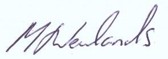
- Name: Mark Newlands
- Signed:
- Date: 3rd August 2026
- Email: mark.newlands@northtyneside.gov.uk
Section 151 Officer declaration
As Section 151 Officer for [North Tyneside Council], I declare that the scheme cost estimates quoted in this proposal are accurate to the best of my knowledge and that [North Tyneside Council]:
- has allocated sufficient budget to deliver this scheme on the basis of its proposed funding contribution.
- accepts responsibility for meeting any costs over and above the DfT contribution requested, including potential cost overruns and the underwriting of any funding contributions expected from third parties.
- accepts responsibility for meeting any ongoing revenue requirements in relation to the scheme.
- accepts that no further increase in DfT funding will be considered beyond the maximum contribution requested and that no DfT funding will be provided after 2029/30.
- confirms that the authority has the necessary governance and assurance arrangements in place and that all legal and other statutory obligations and consents will be adhered to.
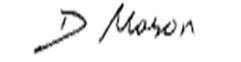
- Name: David Mason
- Signed:
- Date: 3rd August 2026
- Email: david.mason@northtyneside.gov.uk